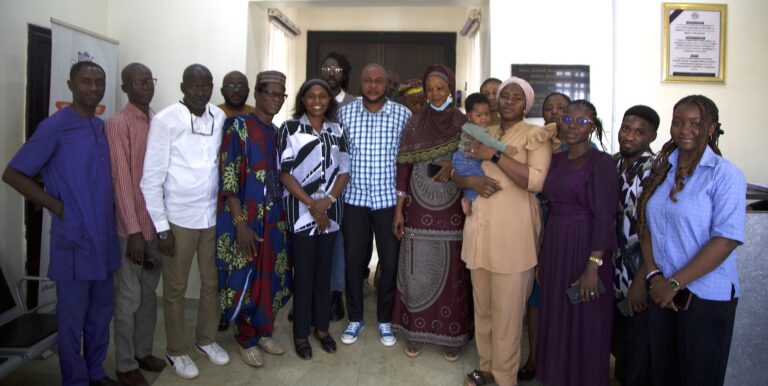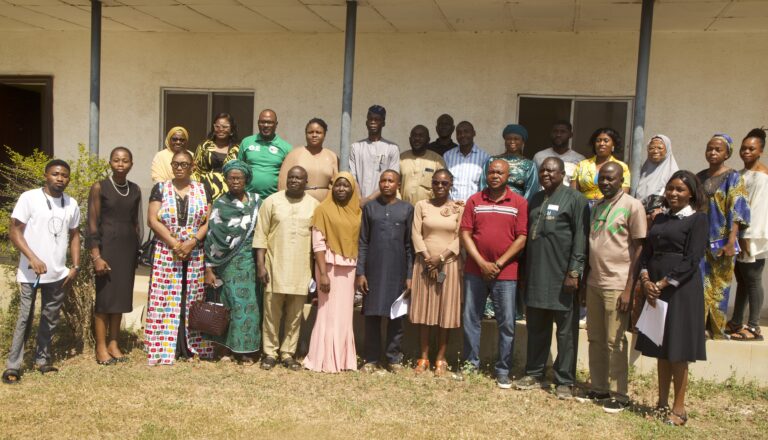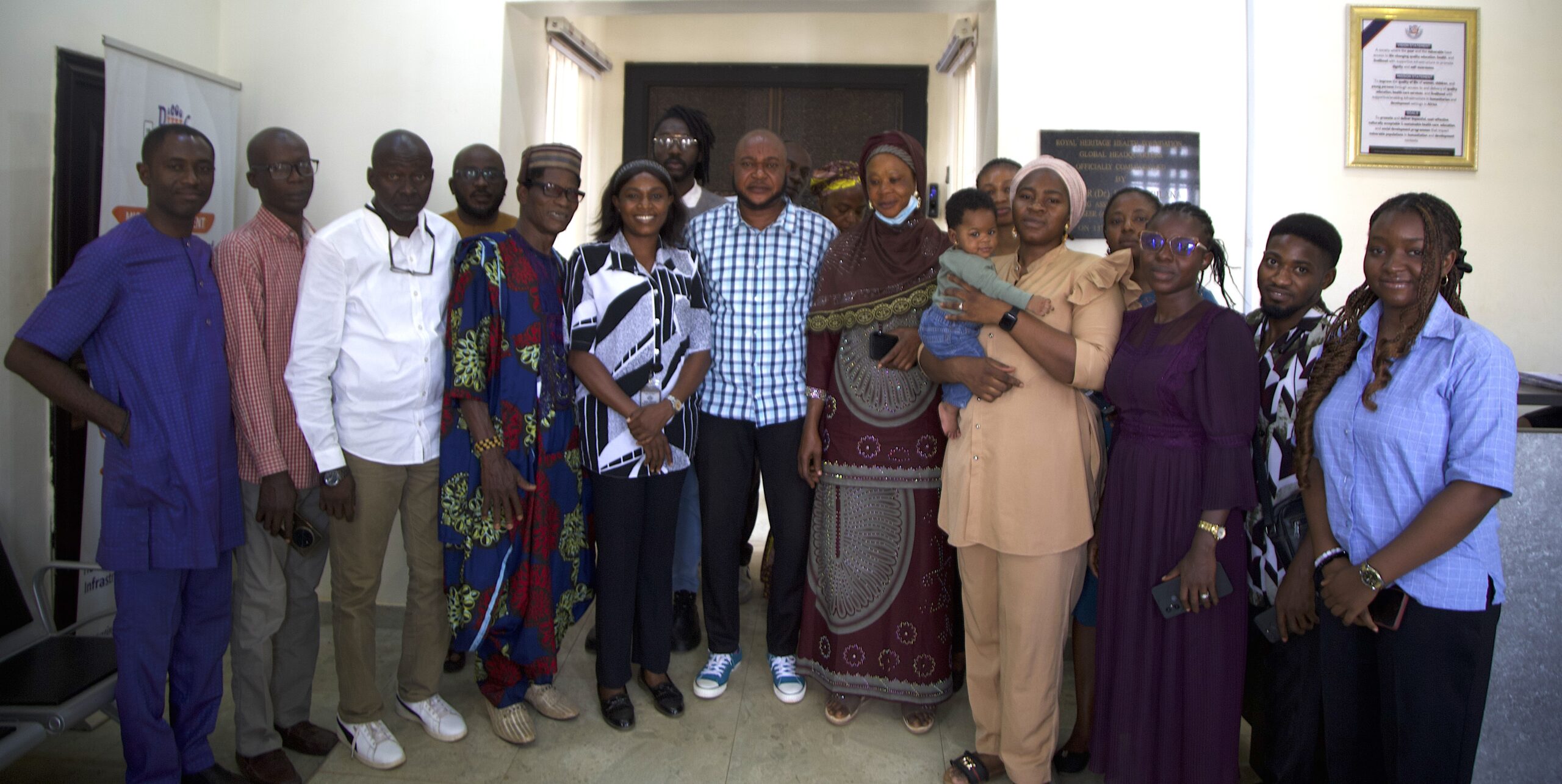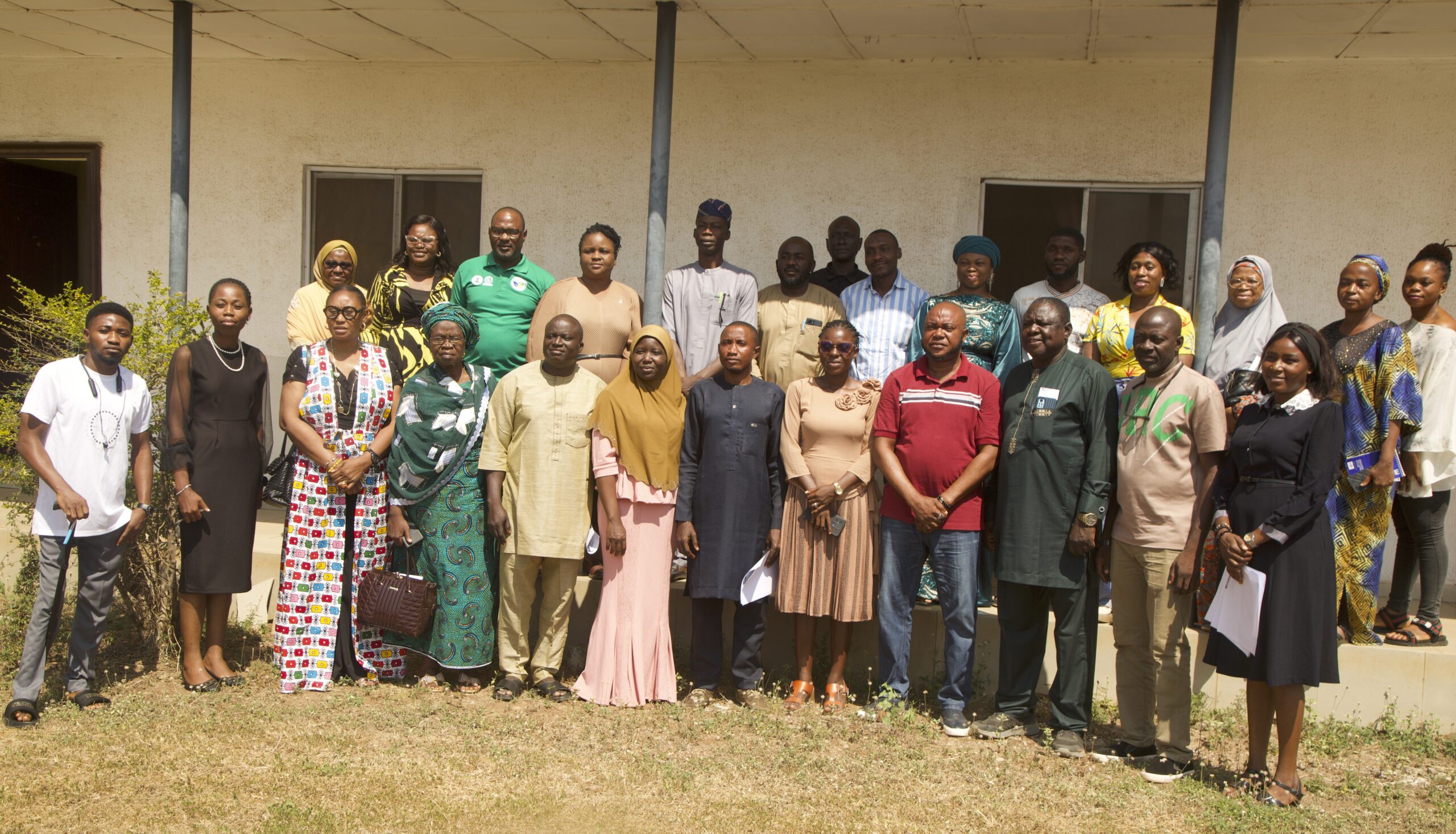
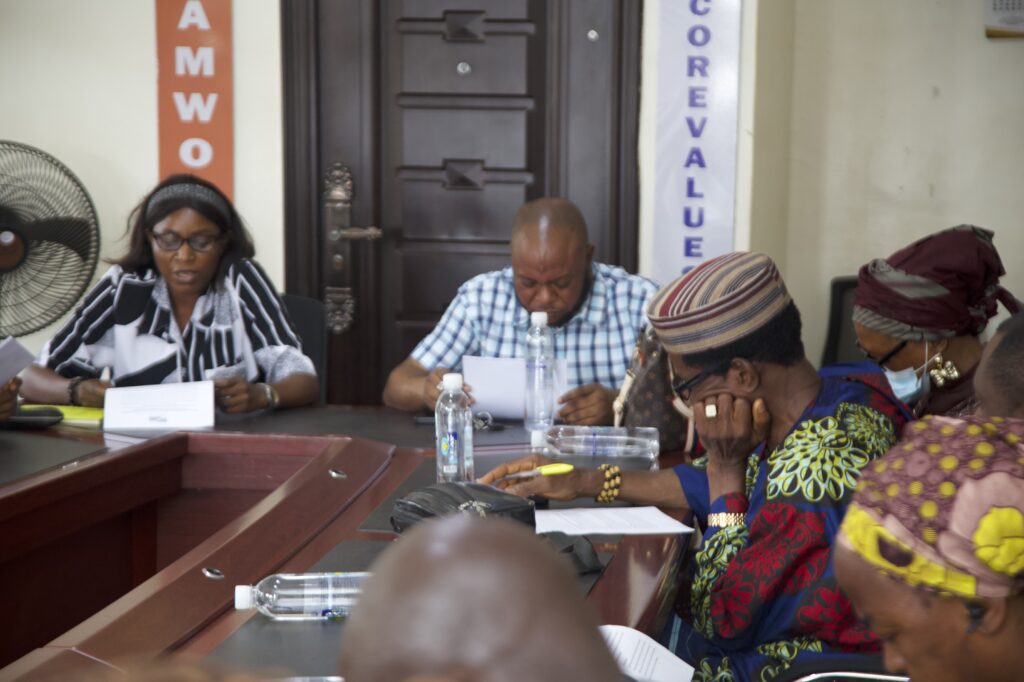
The Accountability for Community engagement strategic initiative (CESI) (ACOMIN), with support from the Global Fund, held its second strategic media review meeting to assess progress made under the ongoing Community engagement strategic initiative (CESI) project and deliberate on improvements as the project transitions from Cycle 7 to Cycle 8.
The meeting brought together key stakeholders, including community leaders, civil society organizations, the officer in charge of the Owu facility, and representatives of the Kwara State Primary Health Care Development Agency. The engagement reaffirmed the collective commitment toward strengthening health systems and improving access to quality services across communities.
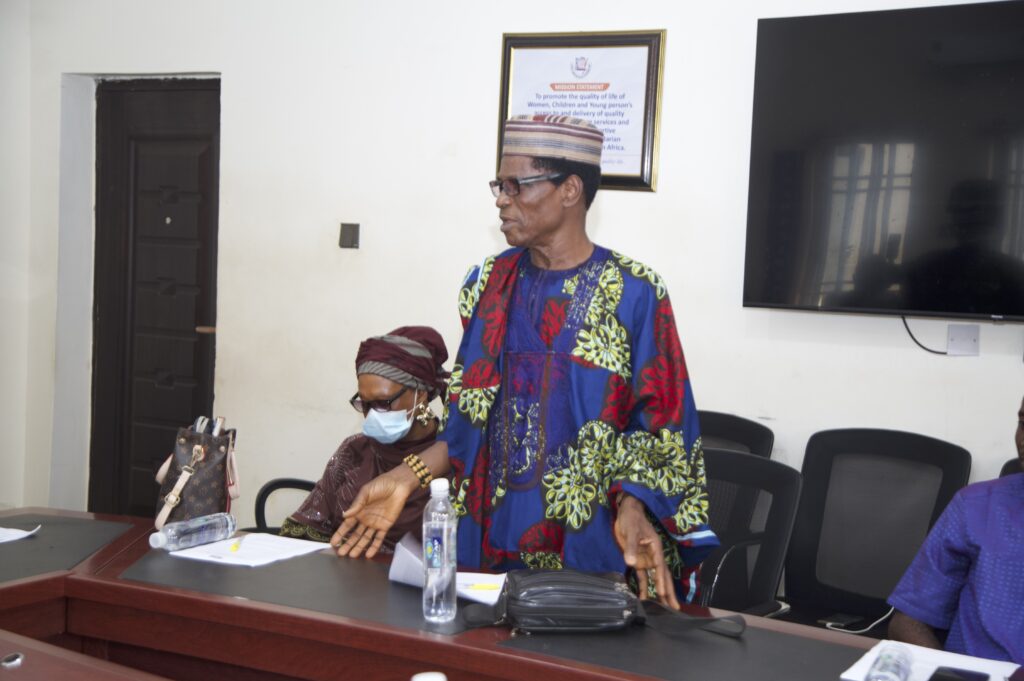
Speaking at the meeting, the ACOMIN State Coordinator, Mr. Femi Olatunbosun, appreciated the government, implementing partners, and community members for their continuous support and collaboration. He emphasized that the CLM project was designed to ensure communities feel the real impact of health investments, noting that:
“This project is one that must create visible impact at the community level. The Global Fund recognizes the importance of involving community members directly in health system strengthening, and that is why engagement with traditional leaders, like the Chief of Owu, remains a priority.”
The coordinator highlighted the crucial role of community involvement in ensuring people access the best possible health services and remain part of the system shaping both state and nyational health agendas.
GOVERNMENT ACHIEVEMENTS IN PRIMARY HEALTHCARE REVITALIZATION
The State Coordinator also outlined major strides made by the Kwara State Government in revitalizing primary health care facilities. According to him:
• One facility per ward has been revitalized across all 16 LGAs.
• The state is currently in Level One revitalization, covering 193 wards, with plans underway for another 193 facilitiesto be upgraded.
• 1,550 health workers were recruited last year to strengthen service delivery.
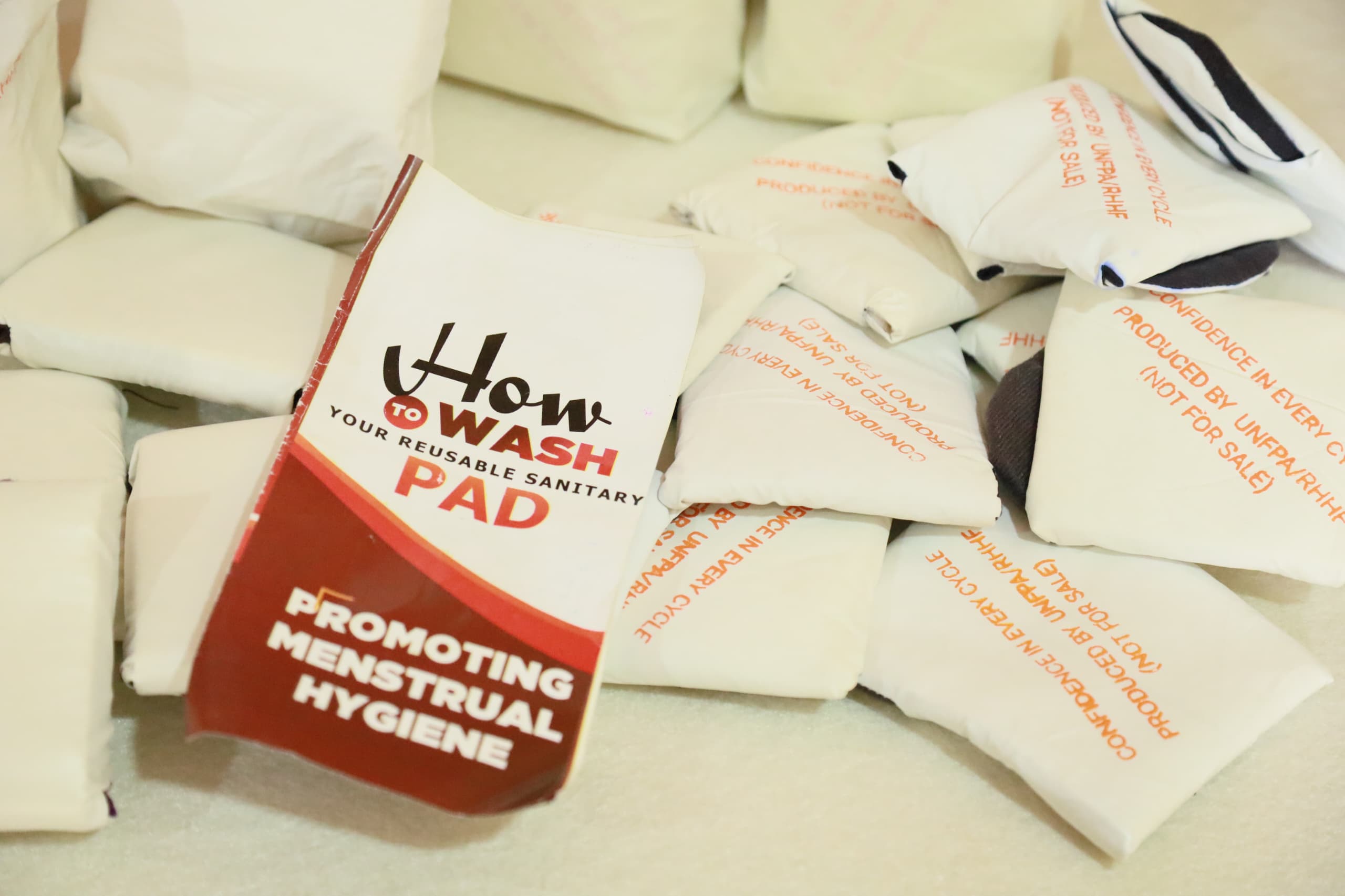
• The state government procured Mama Kits (delivery kits)for distribution across all PHC facilities to support pregnant women at no cost.
• Essential malaria commodities remain available, and community members were encouraged to access services confidently and request replacements when commodities run out.
He also acknowledged staffing gaps and ongoing challenges with health worker attitudes, urging continued advocacy and accountability within the system.
ACOMIN’S IMPACT THROUGH COMMUNITY ENGAGEMENT STRATEGIC INITIATIVE (CESI)
Findings from the MEDIA BRIEF reinforced the significance of the CLM initiative. One major success recorded in Owu community includes:
• Reconstruction of the facility’s dilapidated front fence
• Drilling of a new borehole, restoring access to clean water
These achievements followed ACOMIN’s advocacy and consistent follow-up with state agencies, ensuring contractors fulfilled their obligations.
This reflects the core strength of the CLM model empowering communities to identify gaps and advocating for timely solutions.
COMMUNITY FEEDBACK AND IDENTIFIED NEEDS
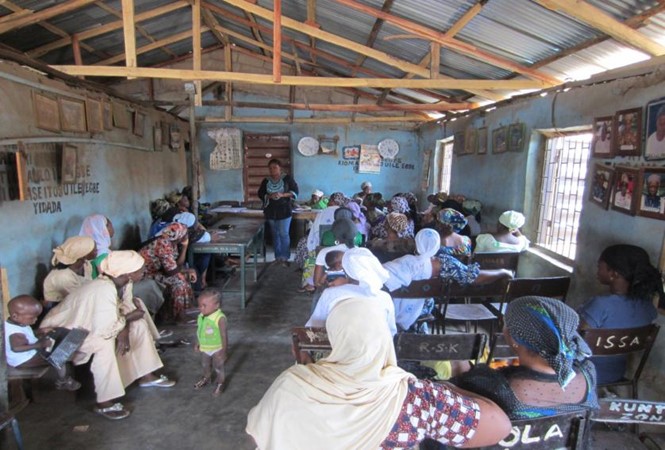
Chief Jolayemi Joshua appreciated ACOMIN, RHHF, and the team for always making themselves available whenever they call upon them, both at noon and night, to ensure things are done right by the contractor who has been giving them a headache at the facility. During the interactive session, the Chief Jolayemi Joshua of Owu community presented key community needs including the shortage of doctors and the need for an upgraded standard health facility. These concerns were duly noted by the ACOMIN team, with assurances that relevant authorities are already working toward addressing them.
CHARTING THE PATH FORWARD: TRANSITION TO CYCLE 8
The meeting concluded with stakeholders resolving to intensify collaboration as ACOMIN moves into Cycle 8 of implementation. Priorities include:
• Strengthening community engagement.
• Improving commodity availability.
• Advocating for improved staffing.
• Enhancing facility infrastructure.
• Ensuring transparency and accountability across health systems.
The presence of civil society organizations further underscored the importance of multi-stakeholder participation in achieving reliable, accessible, and people-centered health services.